

12 Questions to Ask a Breeder Before You Commit
A good breeder will love these questions. A bad one will dodge them. Here's the list that separates the two — and what you should be listening for in their answers.
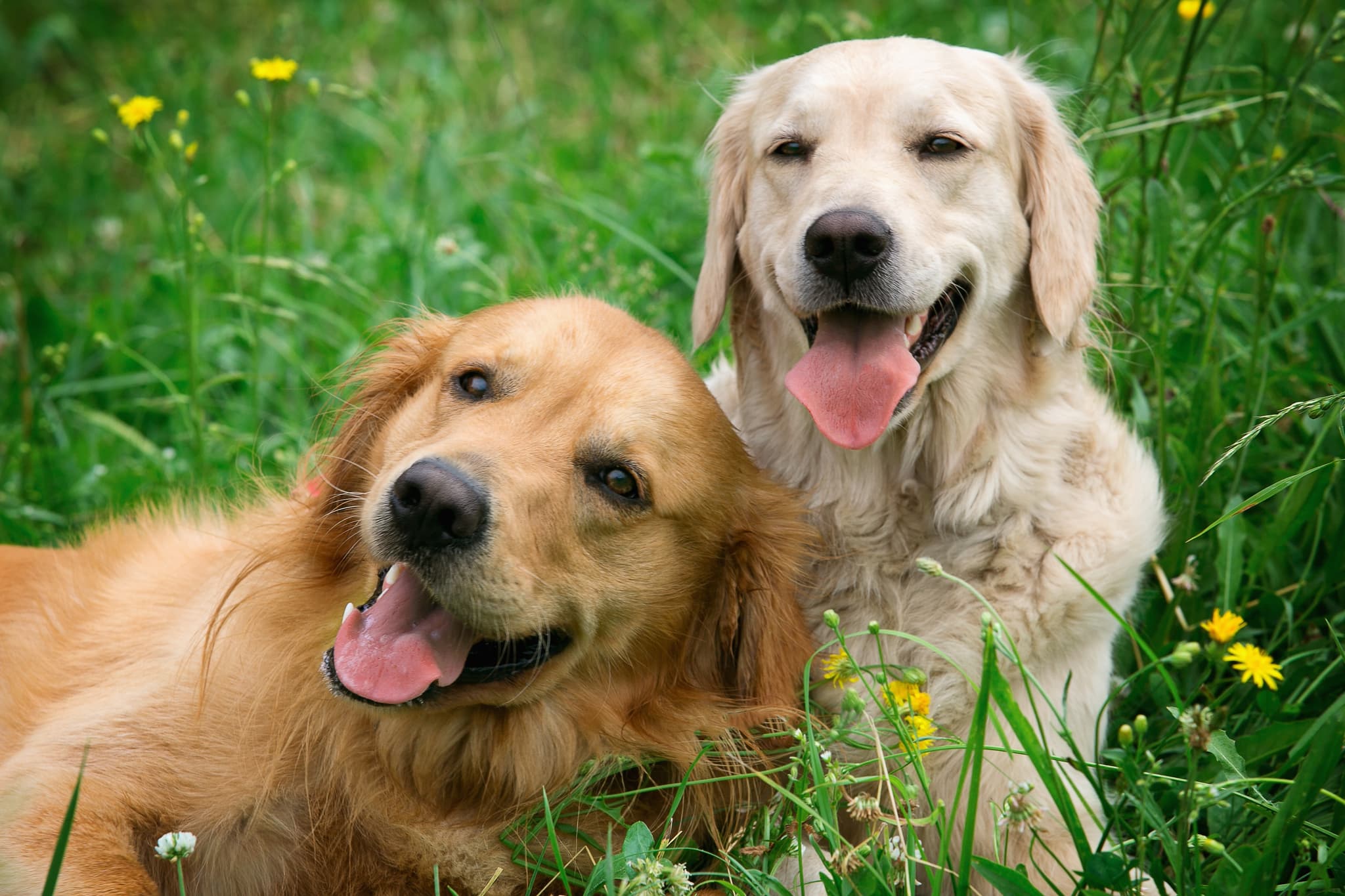
Picking a puppy is mostly an emotional decision. Picking a breeder should be a deeply rational one — because the breeder you choose has more impact on the next 12 years of your life than almost any other early decision you'll make.
Here's the thing nobody likes to say out loud: a cute puppy from the wrong breeder is still the wrong puppy. Health issues, anxiety patterns, undersocialization — these all start in the first eight weeks of a dog's life, long before you ever meet them. You're not just buying a puppy. You're buying the breeder's last two years of decisions.
So before you put down a deposit, sit down (in person or on a call) and work through these. A good breeder will light up at most of them. A breeder who gets defensive, dodges, or rushes you off the call has told you everything you need to know.
On health and lineage
1. "What health testing did you do on the parents?"
Listen for specific tests by name, not vague reassurances. For most breeds that should include hip and elbow scoring (OFA or PennHIP), eye certifications (CAER/CERF), and breed-specific genetic panels (Embark, Wisdom, or Paw Print Genetics).
🚩 Red flag: "They've been to the vet and they're healthy." That's not health testing. That's a checkup.
2. "Can I see the results?"
A breeder doing real testing will be proud to show you. Many list results publicly on the OFA database. If they say results are "in the file somewhere" — they probably don't exist.
3. "Do you offer a health guarantee, and what does it cover?"
A reasonable health guarantee covers serious genetic conditions for 1–2 years (sometimes longer). Ask what happens if a condition is found. The honest answers are usually some combination of refund, replacement puppy, or partial support — not a fight in court.
4. "What's the longevity in your line?"
Good breeders track their dogs' lifespans across generations. They'll know how old grandma and grandpa lived to. They'll know what they passed from. This isn't trivia — it's a direct predictor of your puppy's life expectancy.
On the puppy's first eight weeks
5. "Where do the puppies live?"
The ideal answer involves the word kitchen, living room, or bedroom. Puppies raised in the household — exposed to vacuums, dishwashers, kids, doorbells — become dramatically more resilient adults.
🚩 Red flag: "They're in a separate kennel building." Not necessarily disqualifying, but ask hard follow-up questions about socialization.
6. "What socialization do you do before they go home?"
Listen for specifics. Sound exposure (recordings of thunderstorms, traffic), surface exposure (grass, gravel, tile, slick floors), handling (nails clipped weekly, ears touched, mouths opened), and ideally visits from new humans. The "Puppy Culture" or "Avidog" programs are gold-standard names to listen for.
7. "When do puppies leave you?"
The right answer is 8 weeks, never earlier. Many breeders hold smaller toy breeds until 10–12 weeks. Anyone offering a puppy at 6 weeks is either uninformed or unethical — those two weeks with mom and littermates teach bite inhibition that you can't replicate later.
8. "What do you feed, and what do you recommend I feed?"
You're not looking for the "right" answer here so much as a thoughtful one. A breeder who has clearly researched their food, can explain why, and gives you transition guidance is doing the work. "Whatever's on sale" is a different signal.
On the contract and the relationship
9. "Can I see the contract before I commit?"
A reputable breeder has one — and they'll send it before they ask for a deposit, not after. Read it carefully. Look for:
- Spay/neuter requirements with reasonable timing.
- A return clause. Every responsible breeder will take the dog back at any age, for any reason, period. This is the single most important sentence in any breeder contract.
- Health guarantee terms that match what they verbally promised.
- Reasonable deposit terms. A deposit is normal; a non-refundable one with no recourse is not.
10. "What's your policy if it doesn't work out?"
You're listening for warmth here. The right answer is some version of "Come back to me first. Always. Even years from now. That dog is part of my family too." Anything less than that tells you they consider the relationship over once your check clears.
11. "Have you ever turned away a buyer? Why?"
This is my favorite question. A breeder who has never turned anyone down is either brand new or doesn't care who their puppies go to. A good breeder will tell you stories — "I didn't think their lifestyle was a fit for this breed" or "They wanted a guard dog and I don't breed for that." You want a breeder who's picky. Picky breeders are the reason their puppies turn out well.
12. "Can I stay in touch after I bring my puppy home?"
The answer should be a resounding yes. Updates, photos, training questions, the panicked 11pm text about a chewed shoe — a good breeder welcomes all of it. Some even run private alumni groups where their puppies' families connect. That's the gold standard.
The questions a breeder should be asking you
While you're interviewing them, they should absolutely be interviewing you. Expect — and welcome — questions like:
- What's your living situation? Yard? Apartment? Stairs?
- Have you had this breed before? What do you know about their needs?
- Who's home during the day? What's your work schedule?
- Do you have kids? Other pets? What ages?
- What's your plan for the first few weeks? Vet picked out yet?
- What happens if your situation changes — job, move, kids, divorce?
If a breeder is happy to sell you a puppy without asking any of this, run. They're a vendor, not a breeder.
A note on price
You'll see massive ranges — anywhere from $500 to $5,000+ depending on breed. Resist the urge to anchor on a number. A bargain puppy from a backyard breeder will cost you more in vet bills, training, and heartbreak than a properly raised one. A premium-priced puppy from a sketchy operation isn't automatically better either.
Look at where the money is going. Health testing is expensive ($500–$1,500 per breeding dog). Genetic panels add up. Quality food, vet care, vaccines, microchips, registration — they all cost something. A breeder pricing puppies appropriately has invested in the litter long before you arrived.
Trust your gut
You'll have all the data — health testing, contract terms, socialization protocols. But the last filter is the simplest one: does this breeder feel like someone you'd want to call in two years?
Good breeders aren't just selling you a puppy. They're handing you a relationship. Pick someone you'd genuinely want to keep in your life. The puppy will be wonderful. The friendship is the part most people don't expect.
Ready for the next step?