

Flying With Your Puppy: Tips for Domestic U.S. Flights
Planning to fly with your puppy? These practical tips will help ensure a safe, smooth, and stress-free experience for both you and your pup on domestic U.S. flights.
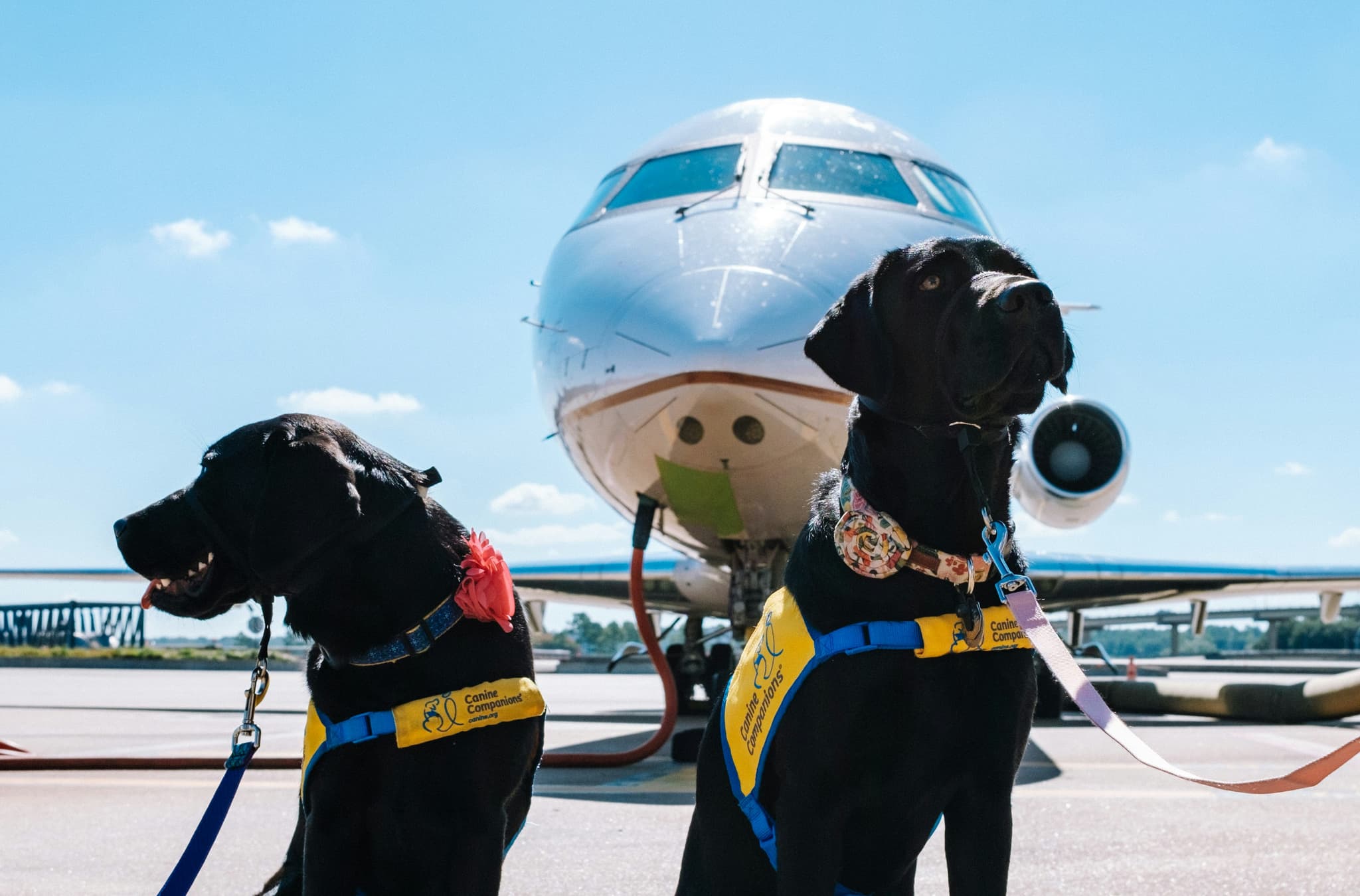
Flying with a puppy for the first time can feel intimidating — especially if you’ve never traveled with a dog before. Between airline rules, carrier requirements, and worrying about your pup’s comfort, it’s normal to feel overwhelmed.
The good news? Thousands of puppies safely fly on domestic U.S. flights every week. With the right preparation, flying with your pup can be a smooth and stress-free experience for both of you.
Whether you’re bringing your new puppy home from a breeder or planning a trip together, here’s what you need to know before taking off.
Understand Airline Rules Before You Book
Every airline has its own pet travel policies, so it’s important to check requirements before purchasing your ticket. Most major U.S. airlines allow small puppies to fly in-cabin, which is the safest and least stressful option.
While policies vary slightly, common requirements include:
- Puppies must usually be at least 8–10 weeks old
- A health certificate from a licensed veterinarian (often issued within 10 days of travel)
- An airline-approved carrier that fits under the seat in front of you
- A pet travel fee (typically $95–$150 each way)
Avoid flying puppies in cargo whenever possible. In-cabin travel allows you to monitor your pup and respond quickly if they become anxious or uncomfortable.
Choose the Right Travel Carrier
Your puppy’s carrier will be their safe space during the journey, so choosing the right one matters.
Look for a soft-sided, airline-approved carrier with:
- Plenty of ventilation on multiple sides
- A waterproof bottom or absorbent liner
- Enough room for your puppy to stand up and turn around comfortably
Avoid oversized carriers. Airlines are strict about under-seat dimensions, and snug spaces actually help puppies feel more secure.
Pro tip: Ask your breeder for a blanket or towel that smells like the litter or mom. Familiar scents can significantly reduce anxiety during travel.
Visit the Vet Before Flying
Schedule a vet visit a few days before your trip to ensure your puppy is healthy and cleared for travel. Your vet can provide the required health certificate and answer questions specific to your pup’s age and breed.
Important reminders:
- Do not sedate your puppy unless explicitly advised by your veterinarian (most airlines discourage sedation)
- Ask about hydration and feeding recommendations
- Confirm vaccinations meet airline and state requirements
A healthy, alert puppy handles travel far better than a groggy or over-tired one.
Prepare Your Puppy Ahead of Time
A little preparation goes a long way in building confidence.
Before travel day:
- Introduce your puppy to the carrier at home
- Practice short periods of crate time
- Take brief car rides to simulate motion and noise
On flight day, keep meals light. A small meal several hours before departure helps prevent upset stomachs, while access to water should continue up until boarding.
What to Expect at the Airport
Arrive early to give yourself extra time. Traveling with a puppy adds a few steps to the usual airport routine.
At TSA:
- You’ll remove your puppy from the carrier
- The carrier goes through the scanner
- You’ll carry your puppy through the metal detector
Bring essentials in your carry-on:
- Puppy pads
- Wipes or paper towels
- A small water bowl or bottle
- Extra liner or blanket
Once past security, find a quieter gate area to help your puppy stay calm.
During the Flight
Once onboard, your puppy must remain inside the carrier under the seat for the duration of the flight. This is normal — and expected.
Most puppies:
- Sleep through much of the flight
- Whimper briefly during takeoff or landing
- Settle quickly once engines level out
Use a calm voice to reassure your pup if needed. Resist the urge to open the carrier mid-flight, as this can cause stress or airline issues.
After Landing: Help Your Puppy Decompress
As soon as you land:
- Take your puppy to a pet relief area or safe outdoor space
- Offer water
- Give them time to stretch and sniff
Keep the rest of the day calm. Avoid overwhelming introductions or busy environments right away — your puppy has already had a big day.
Tips for Breeders and New Puppy Parents
Responsible breeders play an important role in setting puppies up for travel success.
Breeders can help by:
- Introducing puppies to crates early
- Preparing families with travel checklists
- Communicating airline requirements clearly
For new puppy parents, choosing a breeder who prioritizes preparation and communication can make all the difference.
Final Thoughts
Flying with your puppy doesn’t have to be stressful. With thoughtful planning, the right carrier, and realistic expectations, your puppy’s first flight can be a positive experience that sets the tone for future adventures together.
Looking for breeders who prioritize safe transitions and responsible care?
Explore our Breeder Marketplace to connect with trusted breeders on PurePaws.io.
Ready for the next step?