

Bringing Your Puppy Home: The First 72 Hours
Those first three days set the tone for everything. Here's how to make them calm, predictable, and full of small wins — for your puppy and for you.
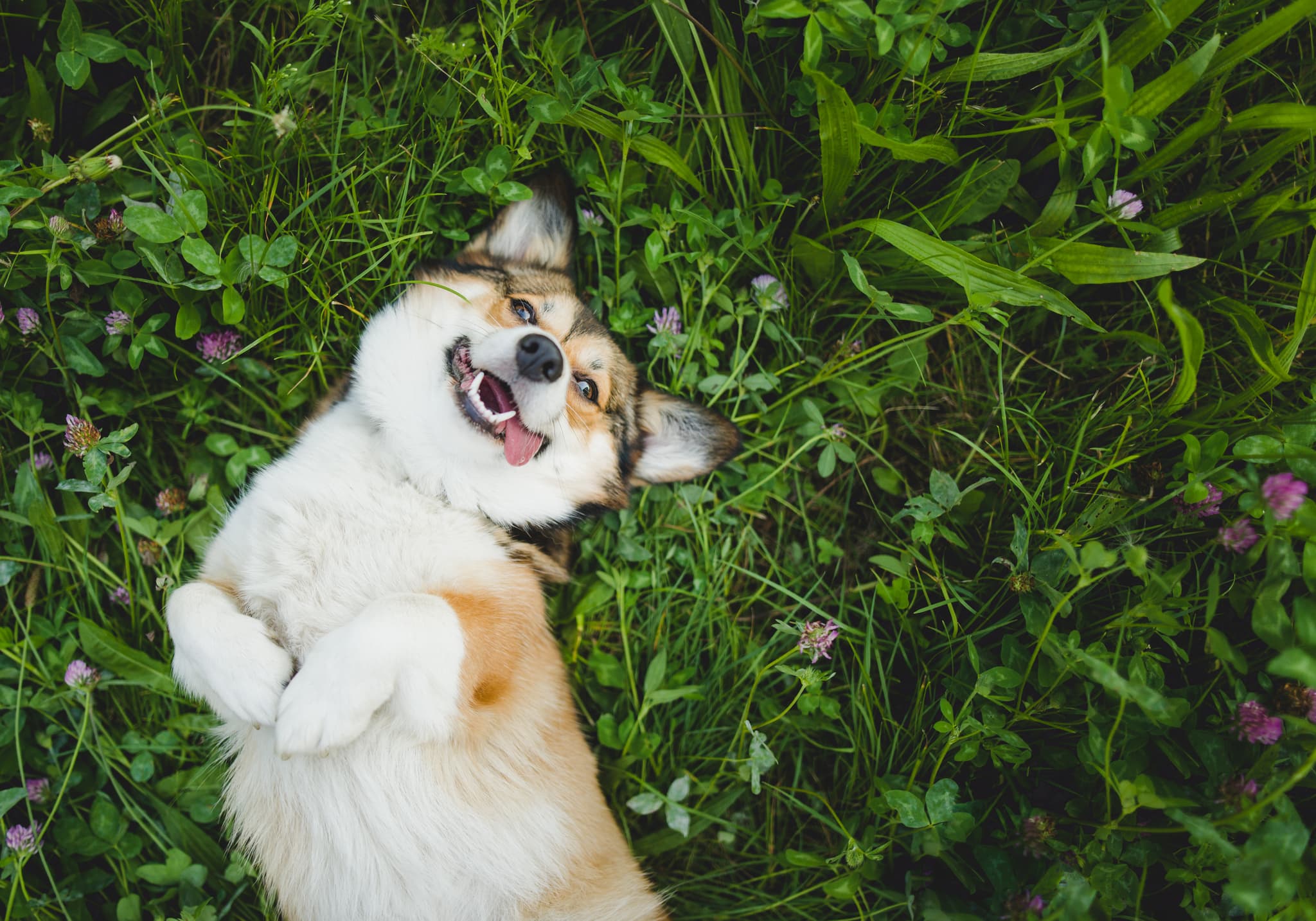
There's a moment, right after you carry your puppy through the front door for the first time, where the whole house seems to hold its breath. Eight weeks of waiting, a long car ride home, and suddenly there's a wobbly little body sniffing your shoes. It's magical. It's also a lot.
The first 72 hours are the most formative window you'll get with your new dog. Not because anything dramatic has to happen — but because everything you do (and don't do) is teaching your puppy what life with you is going to feel like. Calm, predictable, kind. That's the goal. Let's break it down.
Before they arrive: set the stage
The single biggest mistake new puppy owners make isn't anything they do with the puppy — it's not getting their environment ready first. You want a home where you're not making frantic decisions while your puppy chews on a USB cable.
A few hours before pickup, walk through the house and:
- Pick one "puppy zone" — usually the kitchen or a gated area. This is where food, water, crate, and pee pads live for the first few days. A whole-house puppy on day one is a stressed puppy.
- Crate set up, blanket inside. Soft, dim, boring. Not a toy bin.
- Hide the temptations. Shoes, cables, AirPods, kid toys, the rug your grandmother gave you. If you wouldn't trust a toddler with it, move it.
- One water bowl, one food bowl, one chew. Resist the urge to lay out every toy you bought. Overstimulation is a real thing.
Hour 0–3: a quiet hello
When you walk in, the instinct is to gather the family and celebrate. Don't. Put your puppy down in the puppy zone, sit quietly on the floor, and let them come to you. No picking up. No passing around. No cooing crowds.
Most puppies will explore the new smells for a minute, then crash. That nap is sacred — they just left their mom, their littermates, and the only home they've ever known. Let them sleep. The party can wait.
One small thing that pays off forever: the very first time they pee outside, throw a little party. Quiet voice, calm pets, a tiny treat. You just started house-training.
The first night (everyone survives, I promise)
The first night is going to be hard. Your puppy is going to whine. You are going to question every life choice that led you here. This is normal.
A few things that help:
- Crate next to your bed. Puppies aren't ready to sleep across the house yet. Hearing you breathe is a huge comfort. You can move the crate over the following weeks.
- Last potty break around 10–11 pm. Carry them out — don't trust their tiny bladder on the stairs.
- Expect a wake-up around 3 am. Quick potty, no playing, straight back to the crate. Make it boring on purpose.
- A ticking clock or low white noise in the crate. It mimics the rhythm of a littermate sleeping next to them. Sounds silly. Works.
If they whine for a few minutes, that's okay. If they're screaming and panicked after 10+ minutes, take them out for a quick potty — they probably actually need to go.
Day 2: routine, not adventure
The temptation on day 2 is to do everything. Show off the new puppy. Walk around the neighborhood. Take them to a friend's house. Resist all of it.
Your puppy doesn't need adventure right now. They need rhythm. A predictable rhythm tells their nervous system that this place is safe.
A good day 2 schedule looks something like:
- Wake → potty → quiet play (5 min)
- Breakfast → potty → nap
- Short exploration of one new room → potty → nap
- Meet one new family member calmly → potty → nap
- Repeat
Notice the pattern? Potty → nap → potty → nap. Puppies sleep 18–20 hours a day at this age. If your puppy is bouncing off the walls and biting everything, they're not "energetic" — they're overtired. Crate. Quiet. Nap.
Day 3: tiny introductions
By day 3, most puppies have figured out the basic geography of the house and where to find you. This is when you can start widening the world a little — but still in tiny doses.
Try:
- One short, on-leash walk in the driveway or front yard. Not the neighborhood, not yet. Their immune system isn't ready and the world is enormous through their eyes.
- Introduce one new texture per day — grass, tile, doormat. Confidence-building.
- Practice their name for treats. That's it. That's the whole training session.
- One car ride to nowhere. Five minutes around the block so the car becomes a "we go back home" thing, not a "I'm being abandoned" thing.
What to skip in the first 72 hours
Just as important as what to do is what to deliberately not do:
- No dog parks. No daycare. No play dates with other dogs. Until your vet clears them after their next vaccine round, the world is full of things they're not ready for.
- No big errands with the puppy in tow. They will pick up overstimulation and you will pick up a meltdown at hour three.
- No giving in to whining for attention. This is the hardest one. The pattern you set this week is the pattern you'll live with for a year. Reward calm, not noise.
- No new foods or treats. Their gut is already adjusting to new water, new air, new stress. Stick to whatever your breeder was feeding for at least the first two weeks.
When to call your breeder (or your vet)
Most things in the first week are normal — soft stools, a little whining, sleeping a lot, sudden bursts of zoomies. But call someone if you see:
- Refusing food for more than 12–18 hours.
- Persistent vomiting or watery diarrhea.
- Lethargy that isn't just "tired" — eyes dull, won't engage, won't drink water.
- Coughing or wheezing.
- Any limp that doesn't resolve after a short rest.
Your breeder wants you to call. Most good breeders consider themselves a lifetime resource, not someone who hands off a puppy and disappears. Use that.
The thing nobody tells you
By the end of day 3, you'll be tired. Like, surprisingly tired. The mental load of always-watching, always-listening, always being two seconds away from an accident, is its own kind of exhausting.
Here's the secret: it gets dramatically easier around week 3. Not perfect — there's still chewing and adolescence and the great toilet-paper massacre of month two — but the bone-deep newness wears off. You start to read each other.
Take a breath. Take a picture (they grow up so fast). And remember that every nap, every quiet potty break, every calm "good puppy" is a brick in the foundation of the dog they're going to become.
You've got this. They've got you.
Ready for the next step?